Nicola Chen
A WebGL portfolio you explore by dragging: seventeen films on a single surface, with no hard cut between two pages.
The number
17
works on one explorable surface
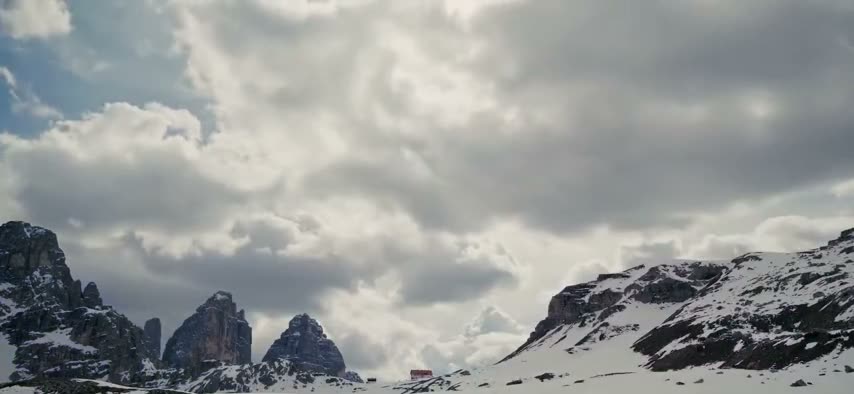
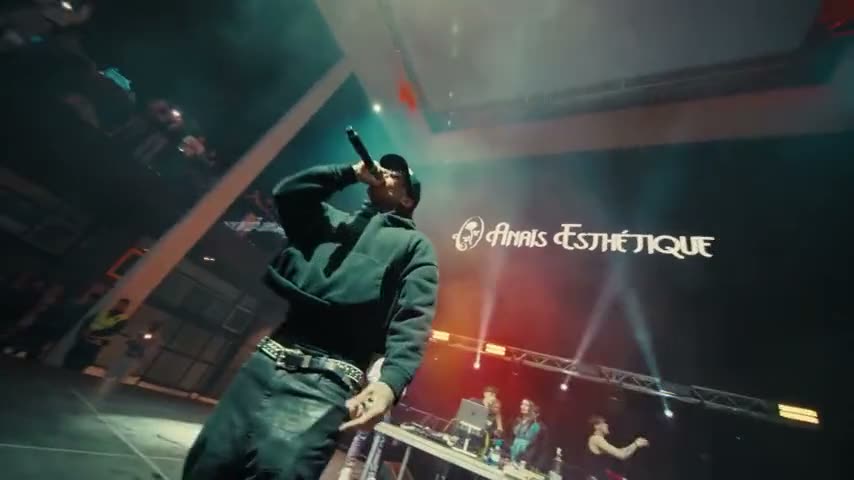
Nicola Chen shoots music videos, short films and road films across the Dolomites. The footage is the work — light, motion, place. The old site filed it into a static thumbnail grid that felt like a contact sheet, not a reel.
01 · The brief
Real footage, a grid that flattened it.
A filmmaker's portfolio shouldn't read like a catalogue. It should feel like an edit suite: dark, polychrome only where the image lives, and alive the moment you touch it.
02 · The surface
A grid you inhabit.
Seventeen works sit on a five-column lattice that repeats forever. Each tile is drawn live and then bent as a wide lens bends a frame — the lens breathes at the centre and opens at the edges, a camera's eye rather than an effect.
Drag carries inertia and modular wrap, so the surface never ends. Hover scales and brightens the tile under the lens; a click dives it toward the camera and opens the film. It reads as one continuous space, not a page of boxes.
04 · The transition
No hard cut.
Grid -> film and back uses cross-document View Transitions: the browser snapshots both pages and composites them, so there is never a frame where neither exists. The white flash is gone by construction, not by patching.
Sharp accelerating in, soft decelerating out — one symmetric motion language across the whole site. You fall into a film and rise back to the grid on the same curve, reversed.

05 · The work
Explore it yourself.
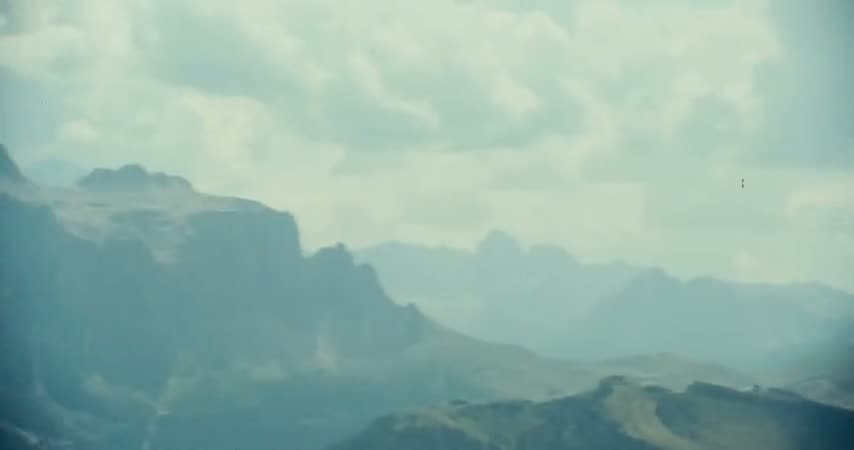
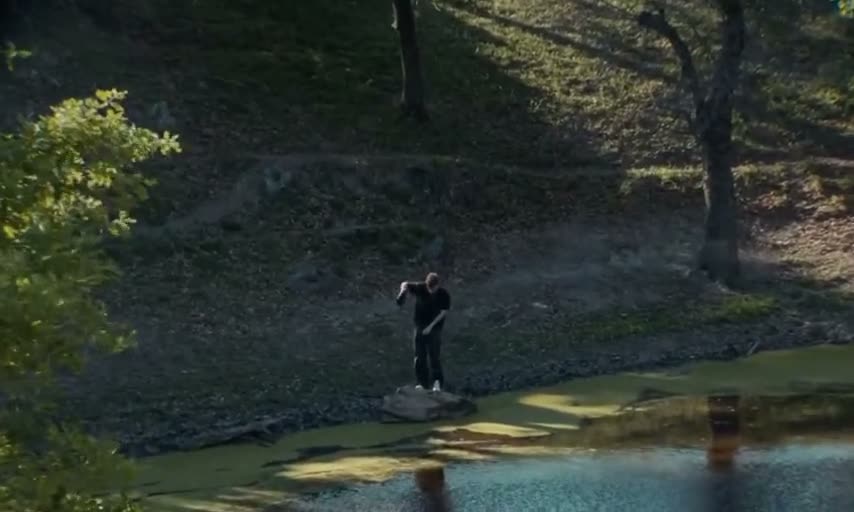
The grid itself lives on the site: seventeen works on a five-column lattice you drag, with the barrel lens breathing at the centre and a click diving a tile into the film. These are its own frames — the surface they sit on is one drag away.
What I built
01Barrel lens, in post
The fisheye is laid over the finished picture rather than baked into the tiles, so pointing at a film stays exact right out to the edges.
02Infinite, not paginated
Modulo-wrapped offset means the grid never hits an edge; the work feels boundless instead of finite.

03One amber
Monochrome chrome, colour only inside the footage. A single warm accent does the pointing.
04Native, not fake-4K
Reels served at native resolution, stills re-extracted to true 4K — sharpness where the source allows it, honesty where it doesn't.
Next project

Let's talk
Got a project in mind? Send me two lines — I answer myself, the same day.
Let's talk. I answer personally.